- მასწავლებელი: Michael D'Arcy

- მასწავლებელი: Zainab Saleh
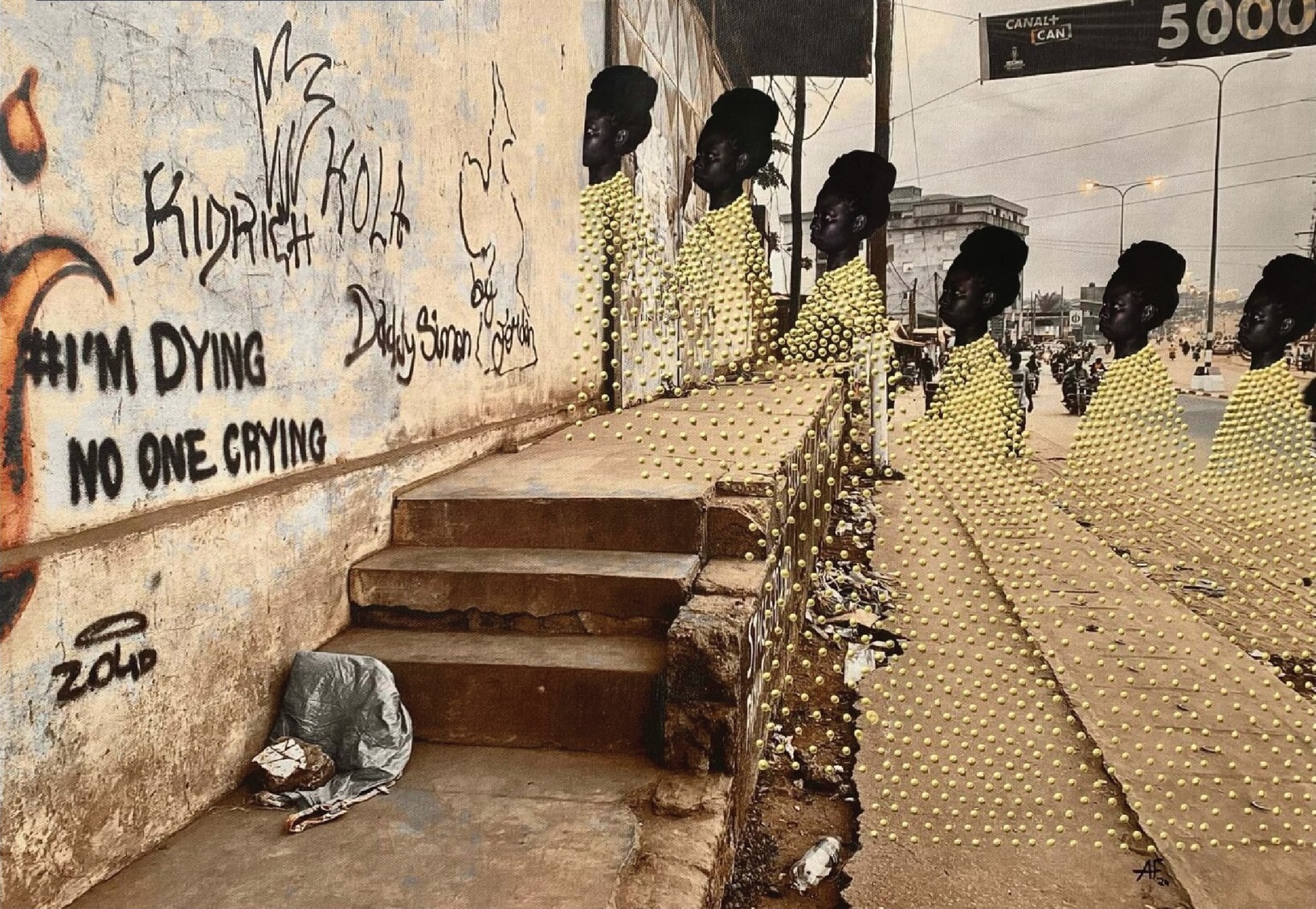
This interdisciplinary seminar explores Africa’s global connections and diasporic formations through ethnographic case studies. Moving beyond narratives that position Africa as peripheral or passive in global processes, the course places African people, histories, and cultural practices at the center of global inquiry. Drawing from richly textured ethnographic accounts, we will examine how African communities engage with, shape, and challenge global structures of power—including capitalism, religion, media, migration, and humanitarianism.
At the same time, we turn a critical eye to the methodologies and politics of ethnographic writing itself. Whose stories are told, how are they framed, and to what ends? Students will engage deeply with questions of representation, voice, and the ethics of knowledge production in African and diasporic contexts. Together, we will rethink what it means to study “Africa” and “the diaspora” as lived, contested, and globalized experiences. The course combines critical reading, discussion, writing, and independent research, culminating in a final ethnographic or analytical project.
At the same time, we turn a critical eye to the methodologies and politics of ethnographic writing itself. Whose stories are told, how are they framed, and to what ends? Students will engage deeply with questions of representation, voice, and the ethics of knowledge production in African and diasporic contexts. Together, we will rethink what it means to study “Africa” and “the diaspora” as lived, contested, and globalized experiences. The course combines critical reading, discussion, writing, and independent research, culminating in a final ethnographic or analytical project.
- მასწავლებელი: Ezgi Guner
- მასწავლებელი: Zolani Ngwane