- Profesor: Ruodi Duan
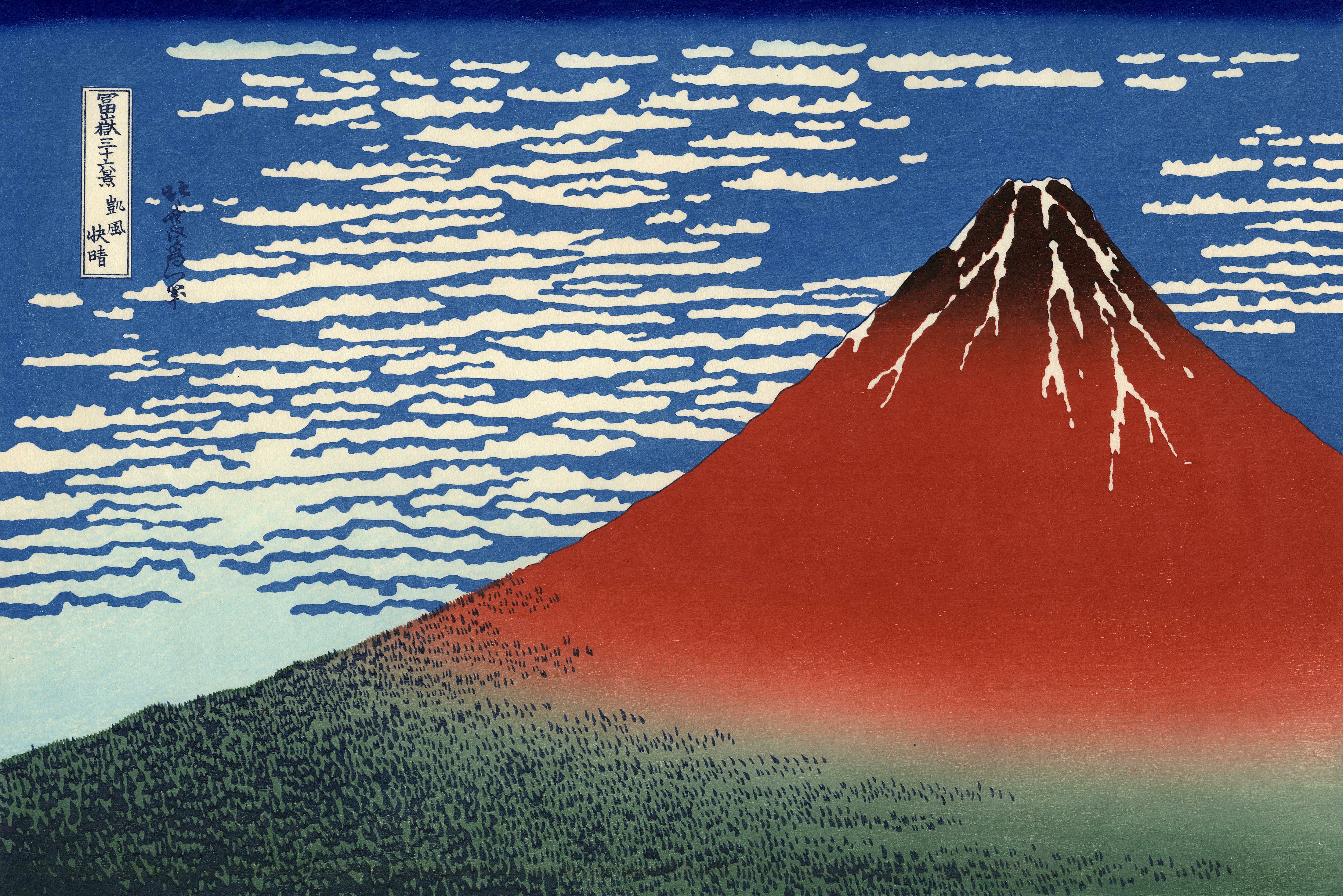
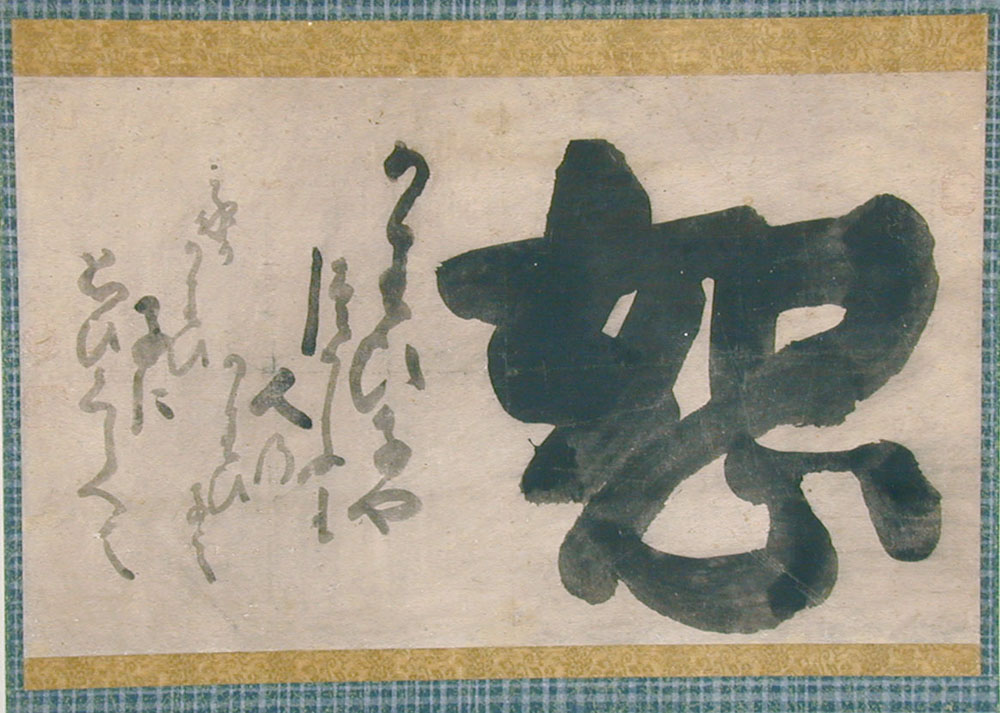
Course Description: This is a course on the sort of Buddhism known as Zen in Japanese. Also known as Chan, Seon, and Thìên respectively in the East Asian cultures of China, Korea, and Vietnam. (Below, we will call it by the familiar name of Zen regardless of context, to simplify matters. This is only a shorthand and is not meant to signal the priority of the Japanese tradition over others, it is merely that the term “Zen” is the one best known in English.)
Zen is famous for promising a special sort of insight that provides sudden and astounding liberation from psychological and spiritual suffering and doubt -- an enlightenment on par with that of a Buddha, unmediated by texts or teachers or images, unencumbered by rules or notions of progress along a path. (In this way, it can be read as a radical critique of the tradition it grows out of.)
The course examines the development of this sect in the context of East Asian Mahāyāna Buddhism, incorporating aspects of the following: legendary histories, debates over mediation styles, monastic lifestyle, musical expression and visual culture.
In the main, this is a course on some primary texts and philosophical tenets of the Zen tradition. Some of our focus will be placed on primary sources, written (mostly) in classical Chinese and translated into English. Also, we will read in scholarly secondary sources that assume a fairly extensive background in the topic. You are not expected to come into this class with this background knowledge! Please be patient with yourself and read carefully to glean what you can from these. We will drive straight into the works themselves, and strive to pick up the background in Buddhism we need “along the way” as we progress. That is, we will confront the texts in a fairly “raw” manner, with regard to both primary and secondary sources, and will do our best to make sense of these with the knowledge we possess and the resources at hand. Questions are always welcome and we can certainly take the time to go deeper into the material at any point. We will take time in class to discuss the readings at length; considerable class time can be devoted clearing up murky passages. This is time well spent.
The course is divided into four sections: 1) studying the founding myth of Zen enlightenment, its transmission to China by the legendary figure Bodhidharma, and the establishment of “sudden doctrine” of the Southern School; 2) exploring classical modes of Zen practice, daily rules and modes of discipline, as developed during the Song period (c. 10th-11th C.) based on Tang period (8th-9th C.) models and continuing up to the present; 3) engaging in a critical examination of the rhetorical claims of Zen to gain a contextual view of the creation and popularization of the Zen school; 4) a study and investigation of the one-page sacred text known as the Heart Sutra (摩訶般若波羅蜜多心経 Jpn. Maka hannya haramitsu shingyō, Ch. Mohe bore boluomida xin jing) a condensation of the literature known as prajñāpāramita or “perfection of wisdom” on the philosophy of Emptiness with a wonder-working magical spell at the end. Throughout the course, we will make reference to visual sources and films. Short documentaries and one feature-length film are woven into our journey through the semester. Not a class will go by where we do not examine and discuss some sort of image. Sonic and visual sources will be a key to the world of Zen along with the written works we encounter.
Course Learning Goals
To become familiar with the Zen Buddhist tradition and examine aspects of its history, practice, theory, and soteriology. To gain a sense of religious ideas and practices as they developed in historical and intellectual context. To learn about working with sources, incorporating them into arguments, and citing them accurately. To practice expressing your ideas and your understanding of the material in front of other people succinctly and clearly.
Zen is famous for promising a special sort of insight that provides sudden and astounding liberation from psychological and spiritual suffering and doubt -- an enlightenment on par with that of a Buddha, unmediated by texts or teachers or images, unencumbered by rules or notions of progress along a path. (In this way, it can be read as a radical critique of the tradition it grows out of.)
The course examines the development of this sect in the context of East Asian Mahāyāna Buddhism, incorporating aspects of the following: legendary histories, debates over mediation styles, monastic lifestyle, musical expression and visual culture.
In the main, this is a course on some primary texts and philosophical tenets of the Zen tradition. Some of our focus will be placed on primary sources, written (mostly) in classical Chinese and translated into English. Also, we will read in scholarly secondary sources that assume a fairly extensive background in the topic. You are not expected to come into this class with this background knowledge! Please be patient with yourself and read carefully to glean what you can from these. We will drive straight into the works themselves, and strive to pick up the background in Buddhism we need “along the way” as we progress. That is, we will confront the texts in a fairly “raw” manner, with regard to both primary and secondary sources, and will do our best to make sense of these with the knowledge we possess and the resources at hand. Questions are always welcome and we can certainly take the time to go deeper into the material at any point. We will take time in class to discuss the readings at length; considerable class time can be devoted clearing up murky passages. This is time well spent.
The course is divided into four sections: 1) studying the founding myth of Zen enlightenment, its transmission to China by the legendary figure Bodhidharma, and the establishment of “sudden doctrine” of the Southern School; 2) exploring classical modes of Zen practice, daily rules and modes of discipline, as developed during the Song period (c. 10th-11th C.) based on Tang period (8th-9th C.) models and continuing up to the present; 3) engaging in a critical examination of the rhetorical claims of Zen to gain a contextual view of the creation and popularization of the Zen school; 4) a study and investigation of the one-page sacred text known as the Heart Sutra (摩訶般若波羅蜜多心経 Jpn. Maka hannya haramitsu shingyō, Ch. Mohe bore boluomida xin jing) a condensation of the literature known as prajñāpāramita or “perfection of wisdom” on the philosophy of Emptiness with a wonder-working magical spell at the end. Throughout the course, we will make reference to visual sources and films. Short documentaries and one feature-length film are woven into our journey through the semester. Not a class will go by where we do not examine and discuss some sort of image. Sonic and visual sources will be a key to the world of Zen along with the written works we encounter.
Course Learning Goals
To become familiar with the Zen Buddhist tradition and examine aspects of its history, practice, theory, and soteriology. To gain a sense of religious ideas and practices as they developed in historical and intellectual context. To learn about working with sources, incorporating them into arguments, and citing them accurately. To practice expressing your ideas and your understanding of the material in front of other people succinctly and clearly.
- Profesor: Hank Glassman