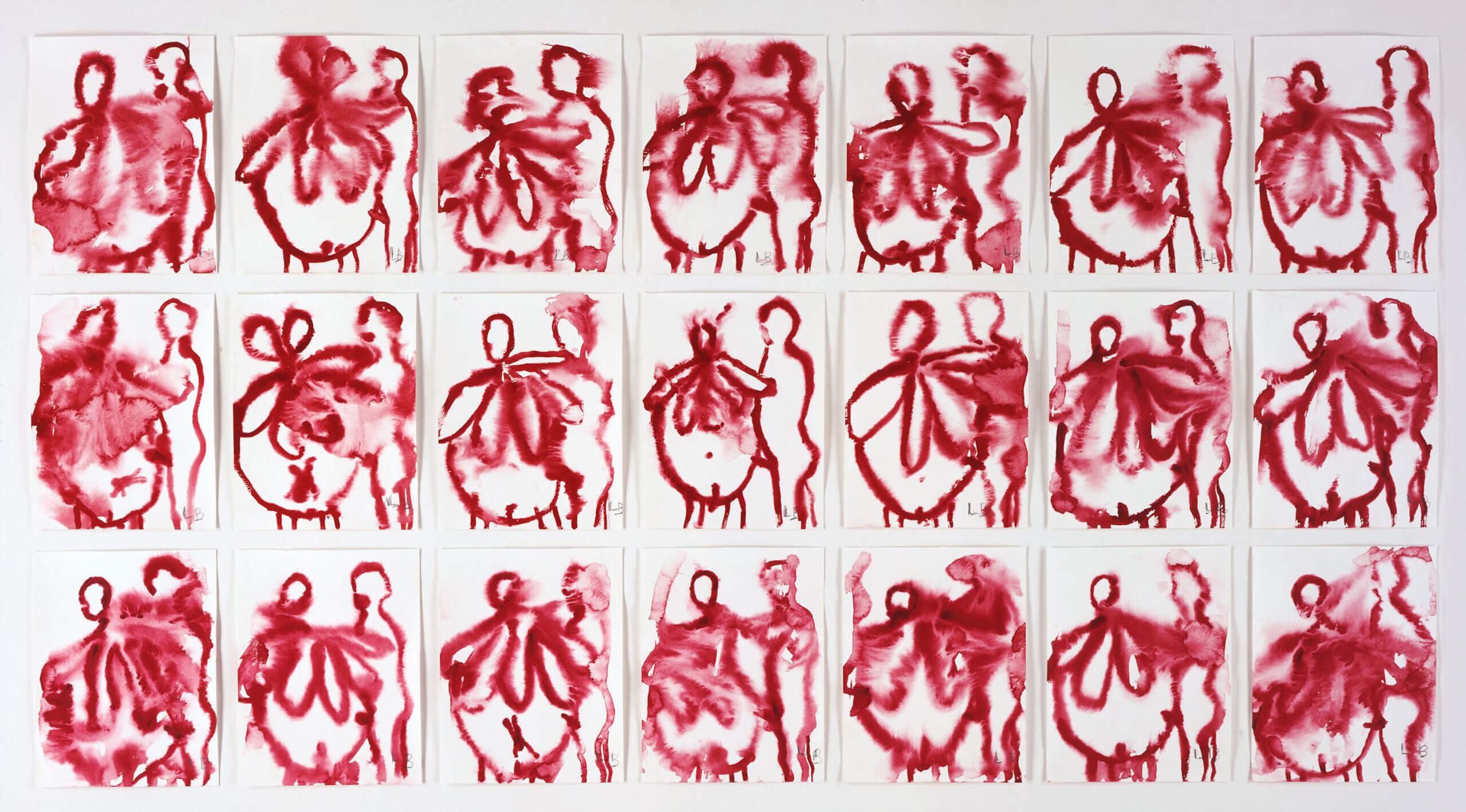
Sex, gender, and sexuality affect just about every aspect of our lives. From the moment a doctor announces “girl” or “boy,” our assigned genders influence everything from the clothes we are expected to wear to the spaces we feel comfortable occupying. While many people historically and at present reject this dualistic model, societal expectations weigh heavily. Moreover, gender and sexuality always intersect with other social power systems – including but not limited to race, religion, class, ability, ethnicity, nationality, and so on – so that nobody experiences gender in precisely the same way as anyone else.
This course explores the historical constitution of modern categories of gender and sexuality and the ways that these unbalanced social power systems shape everything from global geopolitics to the intimate spaces of our households. The emphasis will be on the spatial or geographical aspects of gender and sexuality. This means that we will be thinking about how particular places - such as laboratories, hospitals, kitchens, and borderlands - come to be unevenly gendered and/or sexualized, and how these gendered places shape people who occupy them.
You do not need to have a background in Gender and Sexuality Studies to succeed in this class. We will be learning about core concepts, such as power and difference, alongside different theoretical approaches to gender and sexuality, such as performativity and intersectionality. By the end of this course, you should be able to mobilize multiple conceptual tools to discuss how unbalanced gendered power systems shaped historical processes (including colonial encounters, declarations of war, and scientific inquiries); how unbalanced gendered power systems shape spaces all around us on a daily basis; and how unbalanced gendered power systems intersect with other axes of inequality to produce contemporary social injustices. You can also expect to improve your critical reading, writing, and oral presentation skills.
This course explores the historical constitution of modern categories of gender and sexuality and the ways that these unbalanced social power systems shape everything from global geopolitics to the intimate spaces of our households. The emphasis will be on the spatial or geographical aspects of gender and sexuality. This means that we will be thinking about how particular places - such as laboratories, hospitals, kitchens, and borderlands - come to be unevenly gendered and/or sexualized, and how these gendered places shape people who occupy them.
You do not need to have a background in Gender and Sexuality Studies to succeed in this class. We will be learning about core concepts, such as power and difference, alongside different theoretical approaches to gender and sexuality, such as performativity and intersectionality. By the end of this course, you should be able to mobilize multiple conceptual tools to discuss how unbalanced gendered power systems shaped historical processes (including colonial encounters, declarations of war, and scientific inquiries); how unbalanced gendered power systems shape spaces all around us on a daily basis; and how unbalanced gendered power systems intersect with other axes of inequality to produce contemporary social injustices. You can also expect to improve your critical reading, writing, and oral presentation skills.
- מורה: Danny Foster
- מורה: Gina Velasco