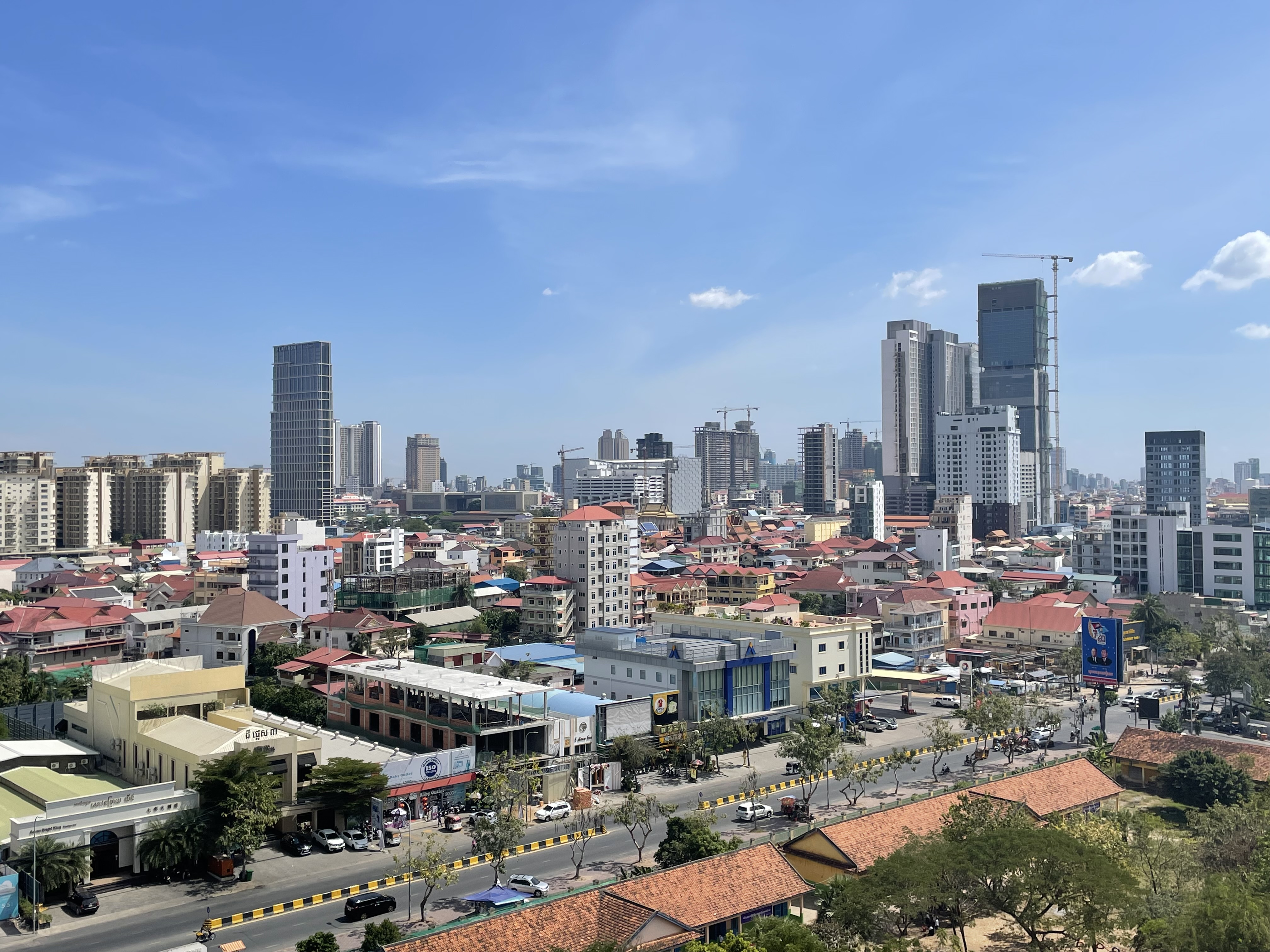
This course examines the political economies of the largest number of countries in the world. They are often collectively referred to as the ‘Global South’, the ‘developing world’, or even ‘The Third World’. Located in Africa, Asia, Latin America, and the Middle East, these countries are generally considered as distinct from the wealthier and democratic countries that have historically dominated the global economy and politics. Although developing countries are playing an increasingly important role on the global stage, they are far from a uniform group of countries with shared interests and ideals. This group of countries contains a wide variety of demographic backgrounds and political systems – ranging from authoritarian to democratic in nature – and vast differences in wealth and human welfare. As a result, global agendas such as the United Nations’ Sustainable Development Goals (SDGs) are aimed at addressing the inequalities of development around the world.
We will take a global approach and discuss the diverse political and socio-economic trajectories of developing countries in recent decades. Why is development a political term? What are the similarities and differences between the countries labeled as ‘developing’? What role does the state play in fostering or hindering development? What are the benefits and drawbacks of foreign aid for developing countries? How do developing countries relate to each other and to the developed world? These are some of the major questions we will interrogate throughout the semester. Overall, this course combines foundational theories with empirical case studies. Students have the opportunity to delve more deeply into a country and topic of their interest and to hone their writing and presentation skills through a semester-long research project related to the SDGs.
We will take a global approach and discuss the diverse political and socio-economic trajectories of developing countries in recent decades. Why is development a political term? What are the similarities and differences between the countries labeled as ‘developing’? What role does the state play in fostering or hindering development? What are the benefits and drawbacks of foreign aid for developing countries? How do developing countries relate to each other and to the developed world? These are some of the major questions we will interrogate throughout the semester. Overall, this course combines foundational theories with empirical case studies. Students have the opportunity to delve more deeply into a country and topic of their interest and to hone their writing and presentation skills through a semester-long research project related to the SDGs.
- rhētor: Kathrin Reed