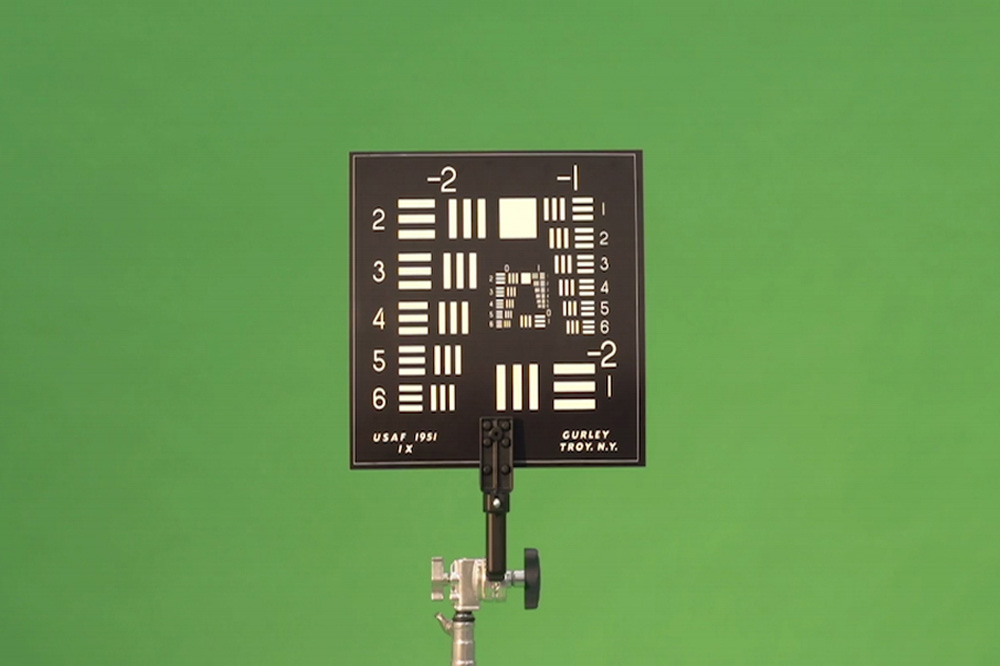
"As a film-maker and a poet, I feel it’s my duty to be an eye and an antenna to what’s happening around me." – Jonas Mekas
Filmmaking is a practice of paying attention. It is a process of exchange with the world: of observing, processing, questioning, and transforming what we encounter into sounds, images, and stories that expressively communicate experience. This course explores filmmaking as a creative practice and critical way of seeing.
Through hands-on exercises, screenings, readings, and discussions, participants will be introduced to the essential stages of filmmaking, including pre-production, production, and post-production. They will acquire practical skills in cinematography, sound recording, lighting, editing, and visual storytelling while developing the ability to work independently or collaboratively on a film crew. Workshops and creative projects encourage experimentation and creative risk-taking as a means for discovering one’s unique vision & voice.
Drawing from contemporary cinema and the work of artist-filmmakers, the course introduces a diverse range of conceptual & formal approaches to moving-image practice within the visual arts. Class projects, screenings, readings, and discussions explore a variety of cultural media vernaculars, encouraging participants to consider how filmmaking can reflect, challenge and reshape our understanding of the world.
Through this multi-modal approach, participants will become proficient in the technical and conceptual basics of digital filmmaking. By the end of the semester, students will have developed a foundation for creating thoughtful, engaging cinematic works that reflect their own, subjective perspectives.
- 教师: GrudkoAva
- 教师: ShapassRebecca

This course investigates the history, methodology, and ethical implications of Human- Centered Design (HCD). A cross-disciplinary methodology HCD grounded in fine arts, cognitive psychology, and systems engineering. It provides a creative, structured framework for solving complex problems by centering the lived experiences of people.
This course envisions design as an engine for social and systemic change. Situated within Visual Studies, we treat the "user experience" as a site of visual and sensory analysis. We create a structure for understanding usability design and research, while critically exploring Design Justice.
We will ask: Who is included in our "human-centered" focus? Who is marginalized by our "solutions"? Students will develop professional skills in visual research, synthesis, rapid prototyping, and strategic roadmapping. The semester culminates in capstone projects and presentations that address a real-world social, environmental, or economic challenge within the Haverford/Bi-Co community or the greater Philadelphia area.
- 教师: HarrisRonah

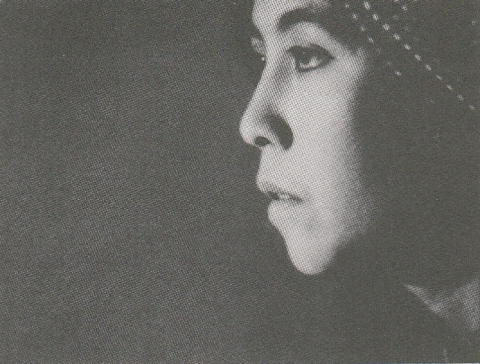
This is an introductory cross-listed (Visual Studies/Anthropology) hybrid production and theory course designed for students with an interest in film, feminist and decolonial methods, video production, and visual anthropology. Classes will combine elements of a workshop (sharing and providing feedback on filmmaking work in progress) and seminar (discussing weekly themes). Students will view films on their own and post weekly responses to films and readings.
Together, we will grapple with the entanglements between ethnographic film/documentary and colonial structures of power—particularly the ways that the field has and continues to represent the visual “other.” We will bring a decolonizing lens to explore—through texts and films—major modalities in the field including observational filmmaking, cinéma vérité, autoethnographic film, sensory ethnography, and more. Due to the required readings, films and intensive film production components, this course will require a substantial time commitment. A large part of the course will be structured around the production of a short film (approx. 5 min) drawing on one or more of the modalities explored in the course.
Together, we will grapple with the entanglements between ethnographic film/documentary and colonial structures of power—particularly the ways that the field has and continues to represent the visual “other.” We will bring a decolonizing lens to explore—through texts and films—major modalities in the field including observational filmmaking, cinéma vérité, autoethnographic film, sensory ethnography, and more. Due to the required readings, films and intensive film production components, this course will require a substantial time commitment. A large part of the course will be structured around the production of a short film (approx. 5 min) drawing on one or more of the modalities explored in the course.
- 教师: HongEmily
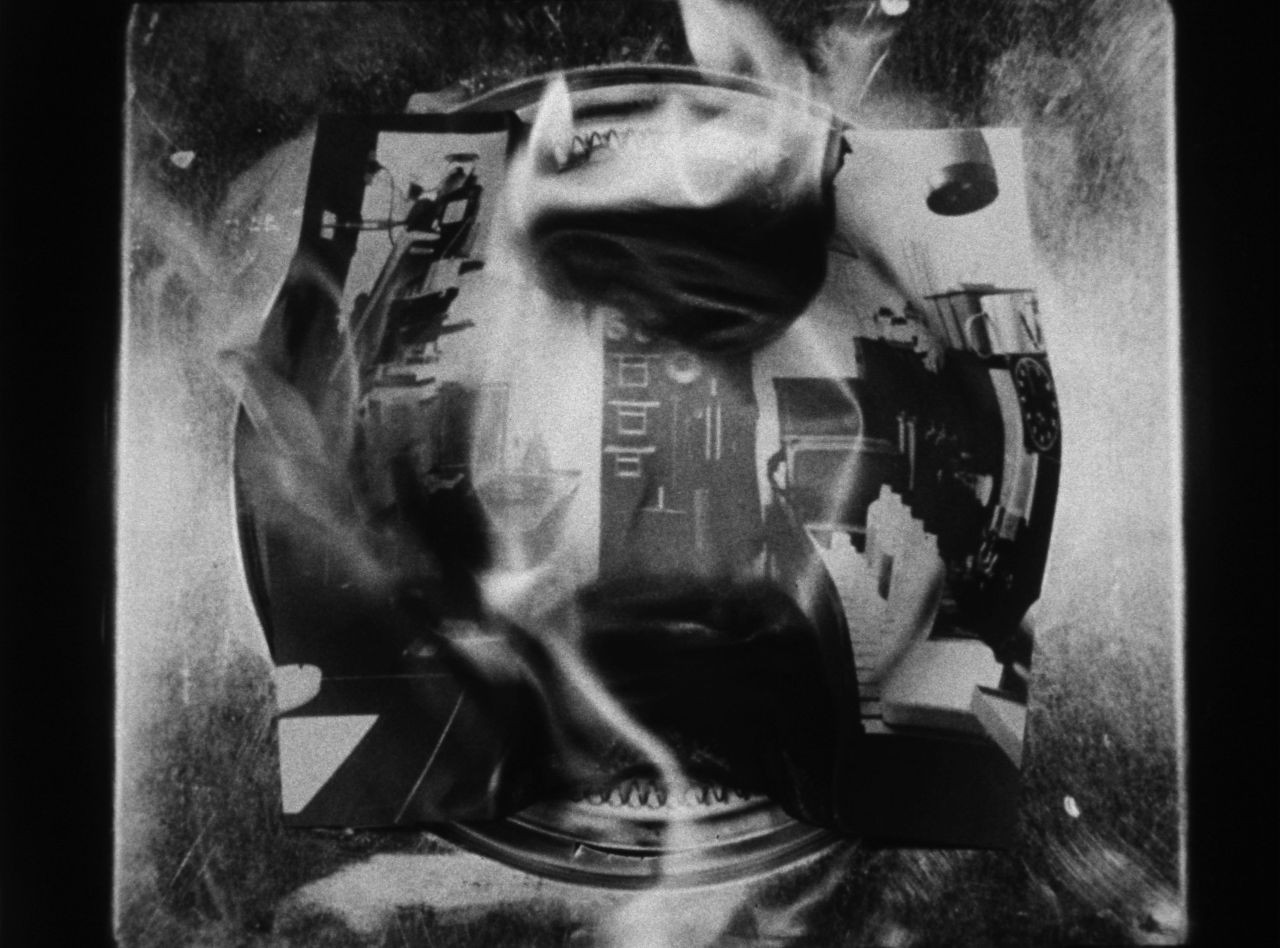
Documenting and archiving are epistemological practices: ways of seeing, organizing, presenting, and shaping reality.
This studio course explores the archive as a site of artistic inquiry. Moving from early cinema cameras to machine vision technologies, we consider how visual media preserves history and transmits information while simultaneously operating within systems of surveillance, extraction, and control.
Through readings, screenings, lectures, discussions, and hands-on creative projects, participants examine how archives, images, and data produce knowledge, shape memory, and inform visual culture. Topics covered include: documentary methodologies, archival practice, the datafiction of image production, machine vision, AI, and the shifting boundaries between art, research, and information.
Learning Objectives:
● Participants practice slow looking and critical consumption by responding to readings, films, and artworks in written and oral forms.
● Participants are versed in the evolution of documentary practice.
● Participants engage critically with the construction of truth and history. They question how institutional and personal archives are created, presented, and shared.
● Participants question contemporary means of creating and consuming documents in the context of surveillance, AI, and machine learning.
● Participants create artwork inspired by & implementing the theoretical frameworks presented and discussed.
- 教师: ShapassRebecca
Course Description:
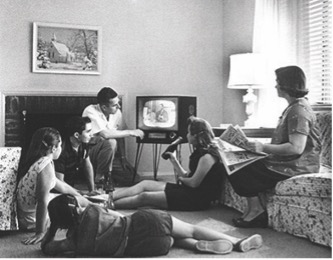
Ever since the dawn of a so-called “golden age of television” roughly a quarter-century ago, episodic storytelling has exploded in prestige and cultural standing. In fact many critics, scholars, and filmmakers would agree that TV (network, cable, streaming, etc.) has come to rival, if not surpass, cinema when it comes to formal and stylistic innovation. But what is it about episodic form that allows for stylistic departures and emotional impact? How does episodic writing both borrow and diverge from screenwriting principles more broadly? And how can we determine if an idea has “legs”? In the series world, stories are built in the “writers’ room,” where writers come together to create a successful show. In this course students will study the craft of episodic screenwriting by simulating the collaborative spirit of the writers’ room. As they learn screenplay structure and form, visual storytelling techniques, dialogue, character development, and story arc, all students will write one episode for a class series and participate in a final community table read event.
Objectives:
1. Learn the fundamentals of screenwriting form and structure, and episodic writing in particular, as distinct from other modes of writing.
2. Learn how to tell a story visually, through the use of stage direction, dialogue, character development, and story arc.
3. Learn how to give and receive substantive peer feedback.
4. Create (1) episodic script (20-25 pp) as part of a class series and (2) series bibles in groups.
- 教师: RegunathanSwetha
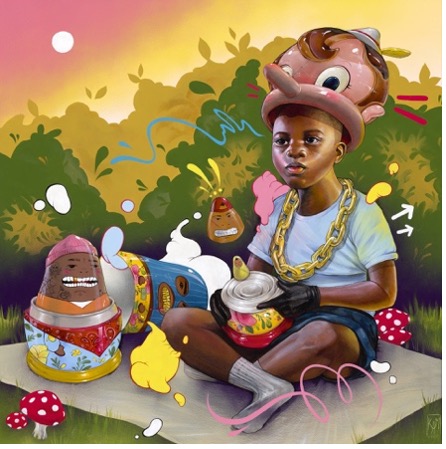
Course Description:
The Capstone Seminar brings together the threads of the interdisciplinary minor, integrating visual studies scholarship, critical making, and public engagement. It provides a space for students to draw on the skills and perspectives they’ve developed across different majors while pursuing shared questions in visual culture. The course combines scholarship and creative practice, moving from conception to exhibition. Each year the Capstone takes on a different theme, shaped by the instructor.
This year we will engage with nostalgia as a system of ideas and as visual practice. Nostalgia was first described by Swiss doctor Johannes Hofer in the late 17th century, as a distinct feeling of homesickness [from the Greek nostos (homecoming) + algos (pain)]. In contemporary life, nostalgia functions in much more capacious (and perhaps interrelated ways): as a source of pleasure, object of derision, marketing tool, political dog whistle, aesthetic lens, and so on and so forth. But why does this phenomenon hold such power over us? Is retro merely imitation? How does nostalgia distort historical memory, and how does it endlessly (re)imagine the future? In particular, how have filmmakers and visual artists invoked, translated, or remixed “the past” to craft new ways of seeing, knowing, and feeling? Over the course of the semester students will a) read key theoretical texts and encounter film, media, and art that centers nostalgic experience; b) create a sequence of mini-projects culminating in a final short film or video essay for public screening.
Objectives:
1. Form a deep, theoretical understanding of the role of nostalgia and collective memory in contemporary visual culture.
2. Be able to put various works of theory and criticism in conversation with film and media.
3. Maintain a creative portfolio of mini-projects that directly engages with course readings, viewings, and class discussions.
4. Create a final piece that represents both your thinking over the course of the semester and your evolution as a Visual Studies minor.
- 教师: RegunathanSwetha