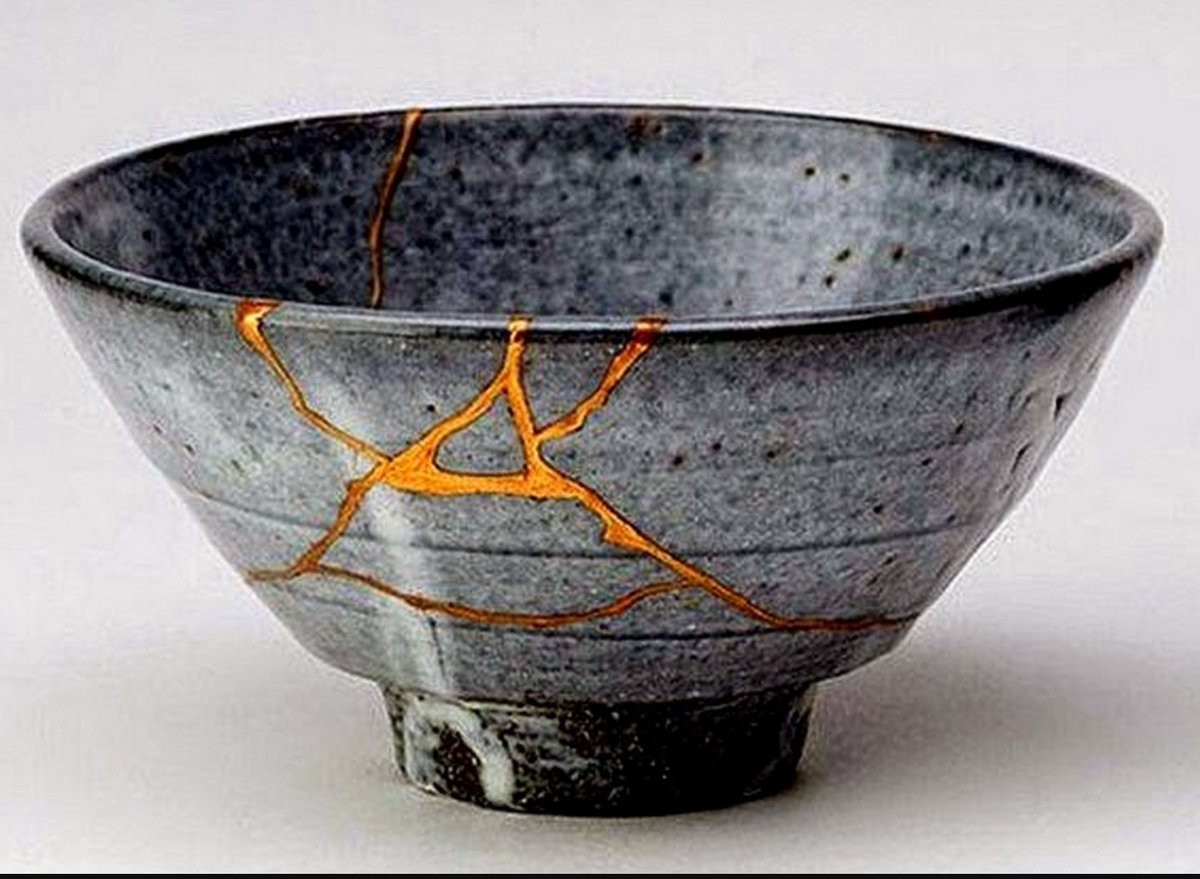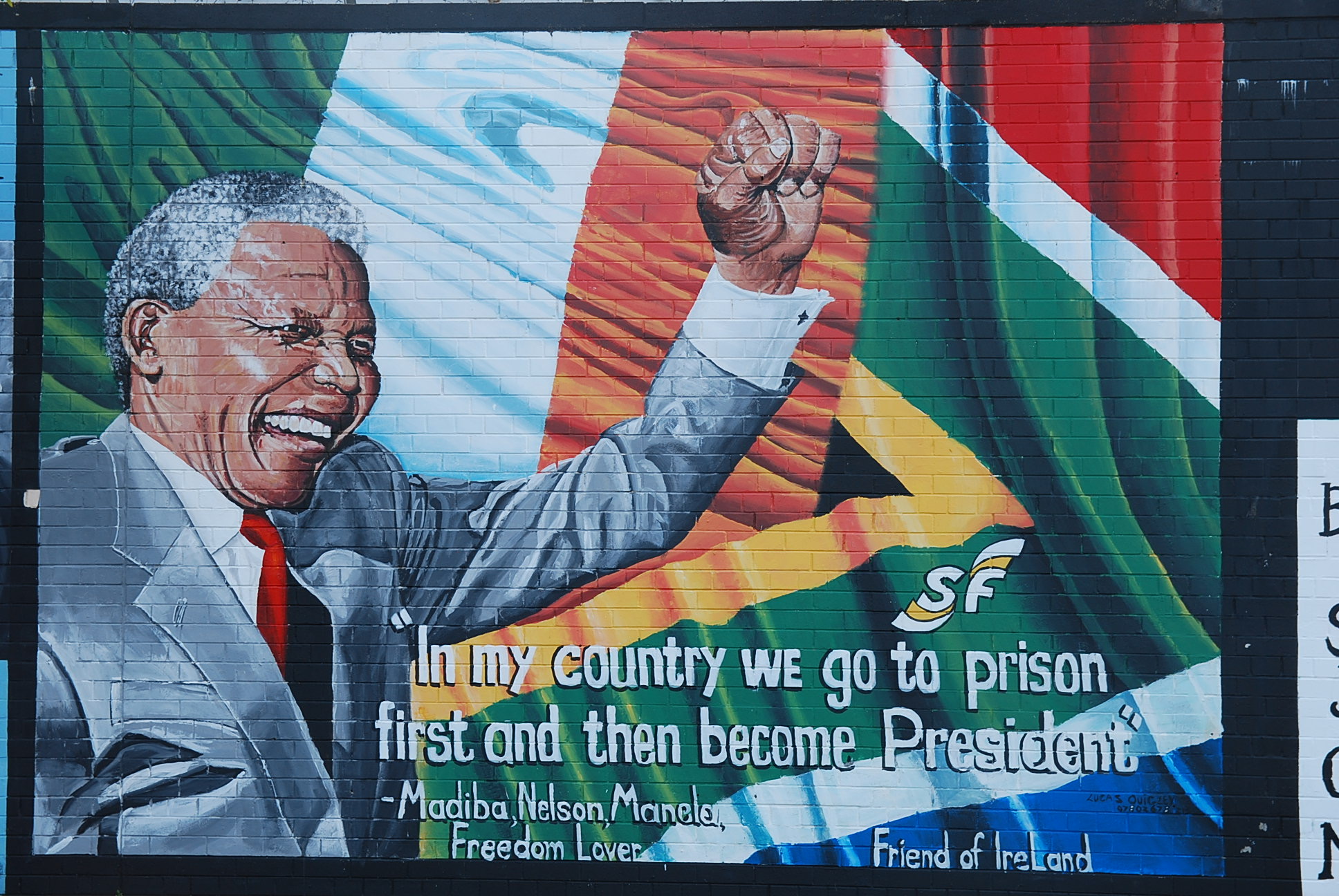
This course offers an introduction to the study of peace, justice, and human rights, surveying philosophies of rights in relation to justice; historic and contemporary approaches to (and reasons for) peace, war, and nonviolence; clashes between human rights and conflict resolution approaches; the role of human rights prior to, during, and after violent conflict; rights in relation to race, gender, class, sexuality, ability, health and the environment; African, Asian, and Indigenous approaches to rights or justice; whether rights are only for human beings or might also apply to non-human animals and/or the natural world; some limitations imposed by an exclusive focus on rights and/or law as avenues for social change; traditional conflict resolution; restorative and transformative approaches to conflict; and why the study of human rights is necessarily interdisciplinary.
- 教師: Cunningham Tim


- 教師: Drummond Emily
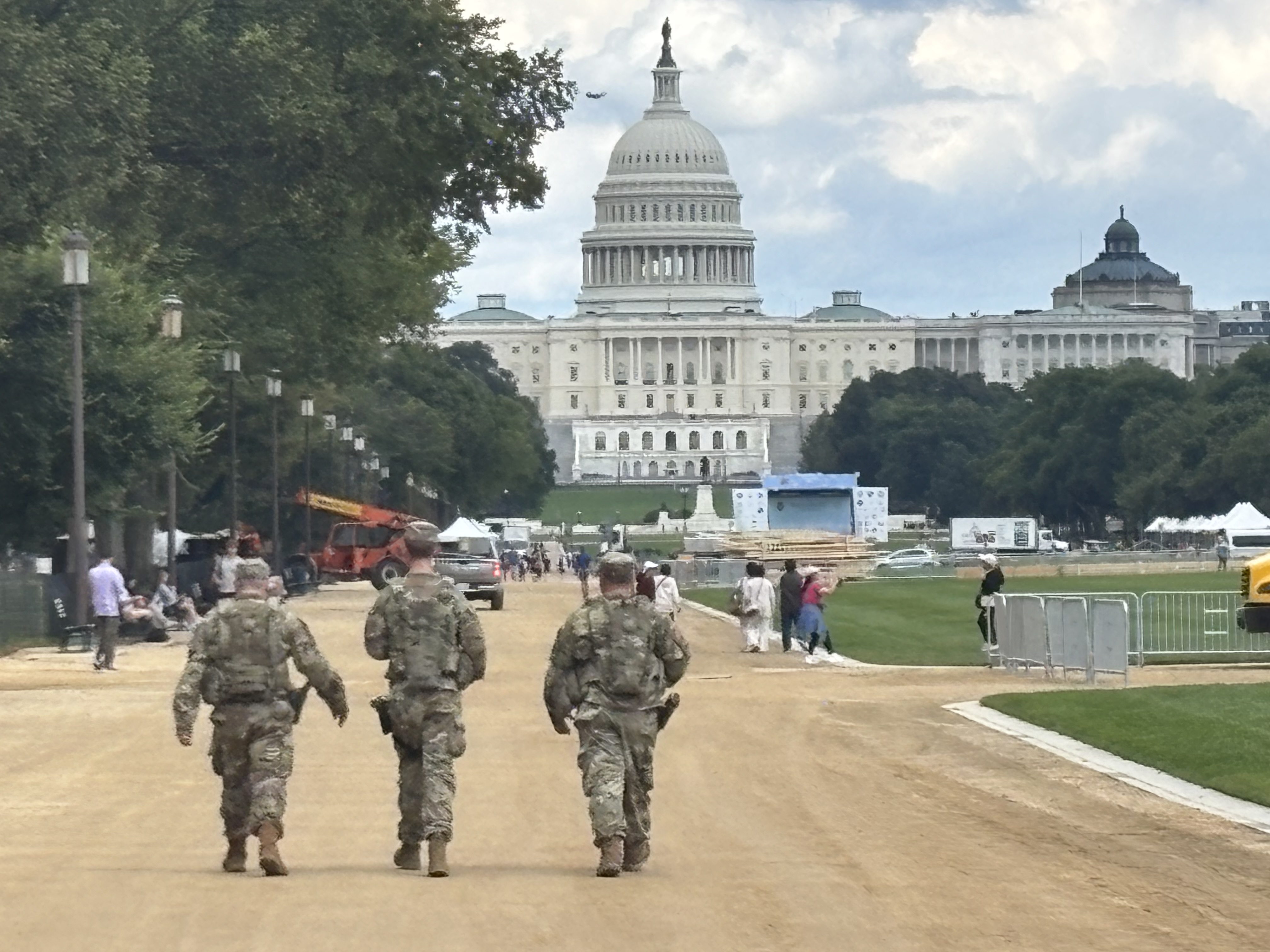
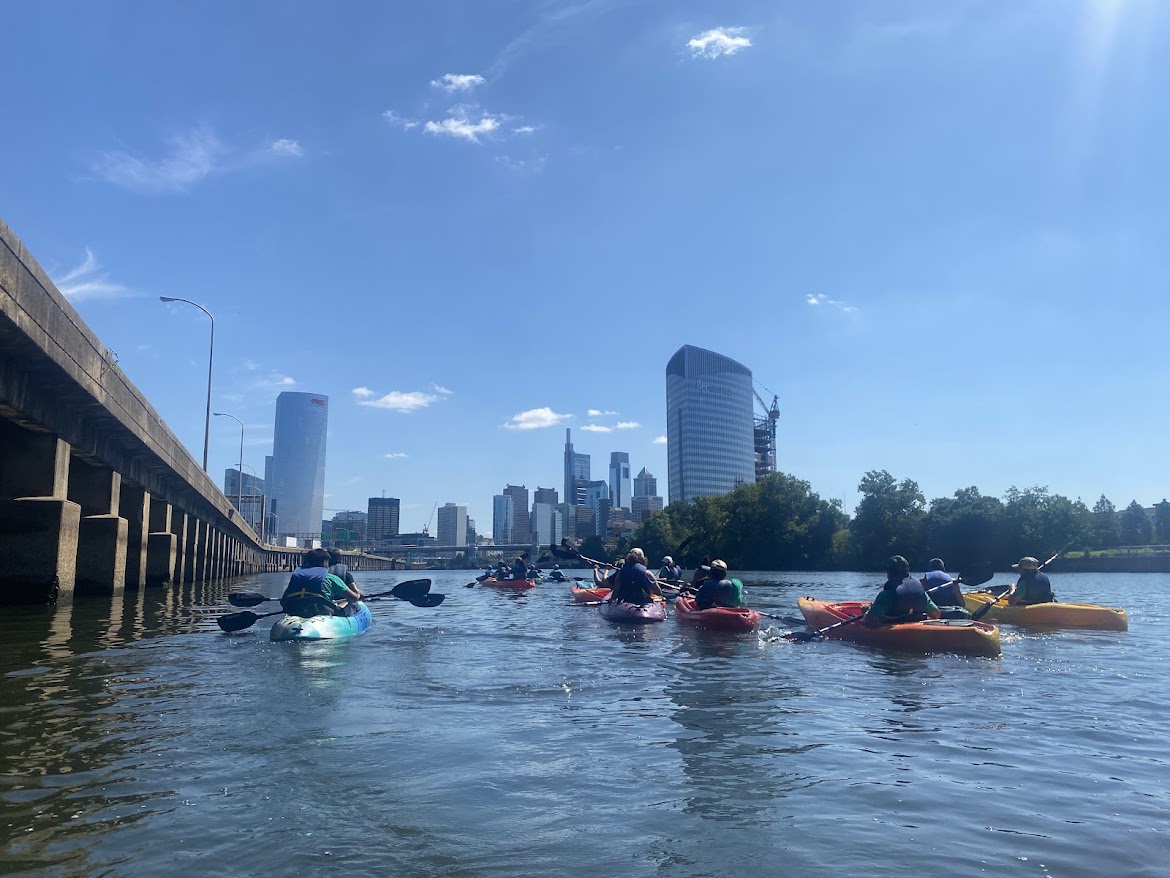
This course examines the relationship between urban space, conflict, and human rights. Drawing on a range of disciplines, including urban planning, architecture, geography, law, and human rights scholarship, students will investigate how the built environment has been used as an instrument of domination, segregation, and violence, and how it can also become a site of resistance, repair, and restorative justice.
The course proceeds thematically across five modules: (1) Spatial Equity and Conflict; (2) Infrastructural Racism and Segregation by Design; (3) Gentrification and Displacement; (4) Restorative Architecture and Reparations; and (5) Environmental Rights and Sustainable Design. Case studies range from post-colonial cities in Africa and the Middle East to racially segregated American cities. Throughout the course, students will engage with primary sources, policy documents, and contemporary journalism alongside academic scholarship.
A distinctive feature of this course is its engagement with AI tools as objects of critical study. Students will use and evaluate AI-generated content to develop skills in source criticism, research methodology, and understanding of how knowledge about cities and communities is produced and reproduced. Another feature of this course is its use of immersive learning. Students will participate in several site visits, including exploration of the college campus and hear from practitioners working on the ground in urban environments.
- 教師: Cunningham Tim
- 教師: Reckson Lindsay