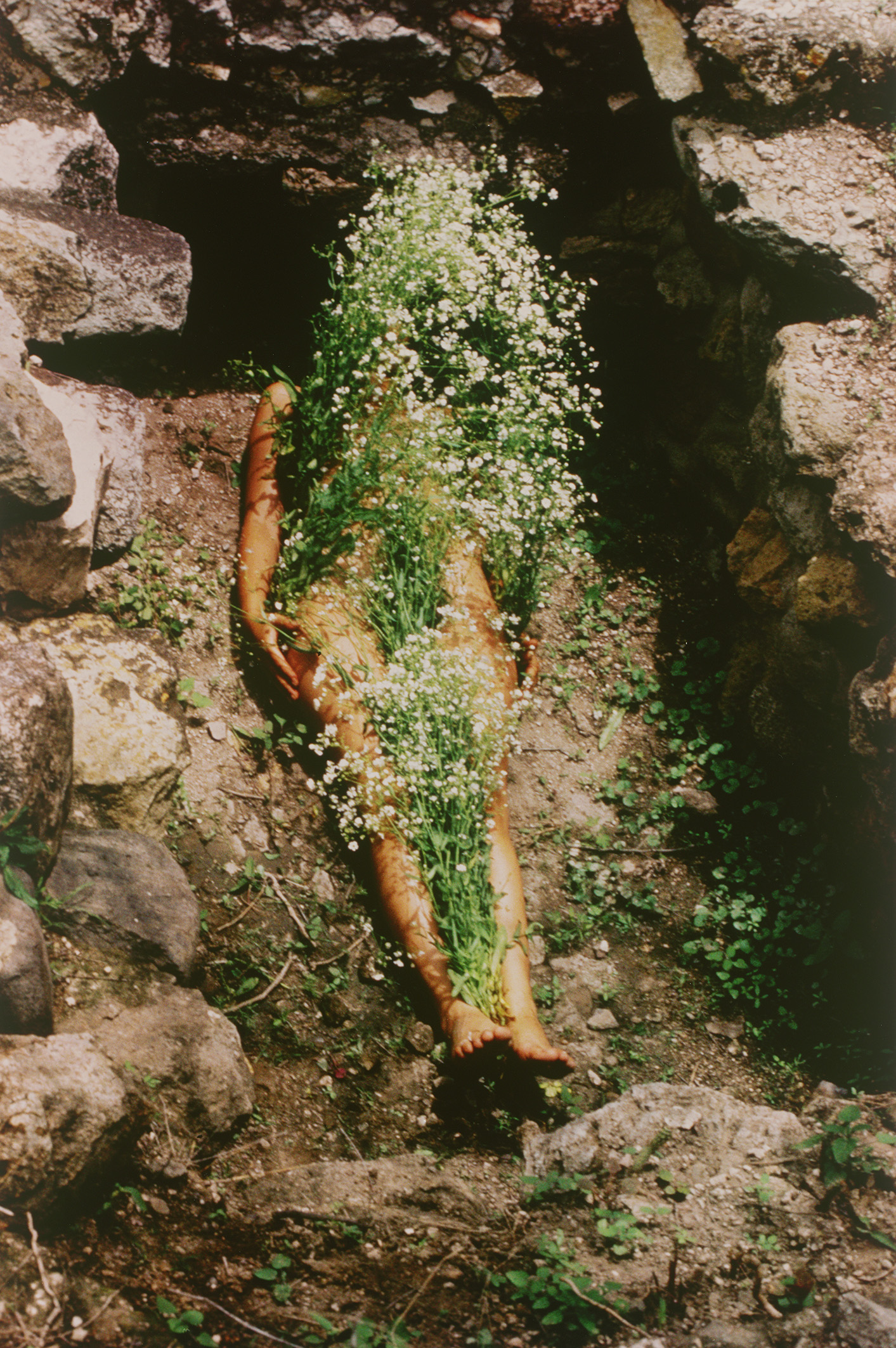
Sex, gender, and sexuality affect just about every aspect of our lives. From the moment a doctor announces “girl” or “boy,” the sexes we’re assigned and the genders we perform influence everything from the clothes we are expected to wear to the relationships we pursue to the spaces we’re allowed to enter. Of course, in practice everyone deviants in some way from the demands built into binary categories like male/female, cis/trans, or straight/queer, and the failure to conform to these ideal types can carry heavy penalties, leading many people to resist, refuse, or attempt to redefine them. Moreover, gender and sexuality always intersect with other social power systems – including but not limited to race, religion, class, ability, ethnicity, nationality, and so on – so that nobody experiences sex, gender, or sexuality in precisely the same way as anyone else.
This course explores the historical constitution of modern categories of gender and sexuality and the ways that these unbalanced social power systems shape everything from global geopolitics to the intimate spaces of our households. You do not need to have a background in Gender and Sexuality Studies to succeed in this class. We will be learning about core concepts, such as power and difference, alongside different theoretical approaches to gender and sexuality. The approach we take in the course will be a ‘history of the present,’ meaning that, in order to contextualize our contemporary categories, concepts, and debates, much of the material we engage will comprise historically or genealogically significant (that is, old) texts associated with the fields of feminist and gender studies. But, understanding that the meaning of ideas is not static, we will make every effort not only to understand the historical circumstances that produced these ideas, but also their relevance to our lives today.
By the end of this course, you should be able to mobilize multiple conceptual tools to discuss how gendered power systems shape historical narratives, cultural representations, and our everyday lives in generally unequal but context-dependent ways.
This course satisfies Humanities, A: Meaning, Interpretation (Texts) and B: Analysis of the Social World.
This course explores the historical constitution of modern categories of gender and sexuality and the ways that these unbalanced social power systems shape everything from global geopolitics to the intimate spaces of our households. You do not need to have a background in Gender and Sexuality Studies to succeed in this class. We will be learning about core concepts, such as power and difference, alongside different theoretical approaches to gender and sexuality. The approach we take in the course will be a ‘history of the present,’ meaning that, in order to contextualize our contemporary categories, concepts, and debates, much of the material we engage will comprise historically or genealogically significant (that is, old) texts associated with the fields of feminist and gender studies. But, understanding that the meaning of ideas is not static, we will make every effort not only to understand the historical circumstances that produced these ideas, but also their relevance to our lives today.
By the end of this course, you should be able to mobilize multiple conceptual tools to discuss how gendered power systems shape historical narratives, cultural representations, and our everyday lives in generally unequal but context-dependent ways.
This course satisfies Humanities, A: Meaning, Interpretation (Texts) and B: Analysis of the Social World.
- المعلم: Danny Foster
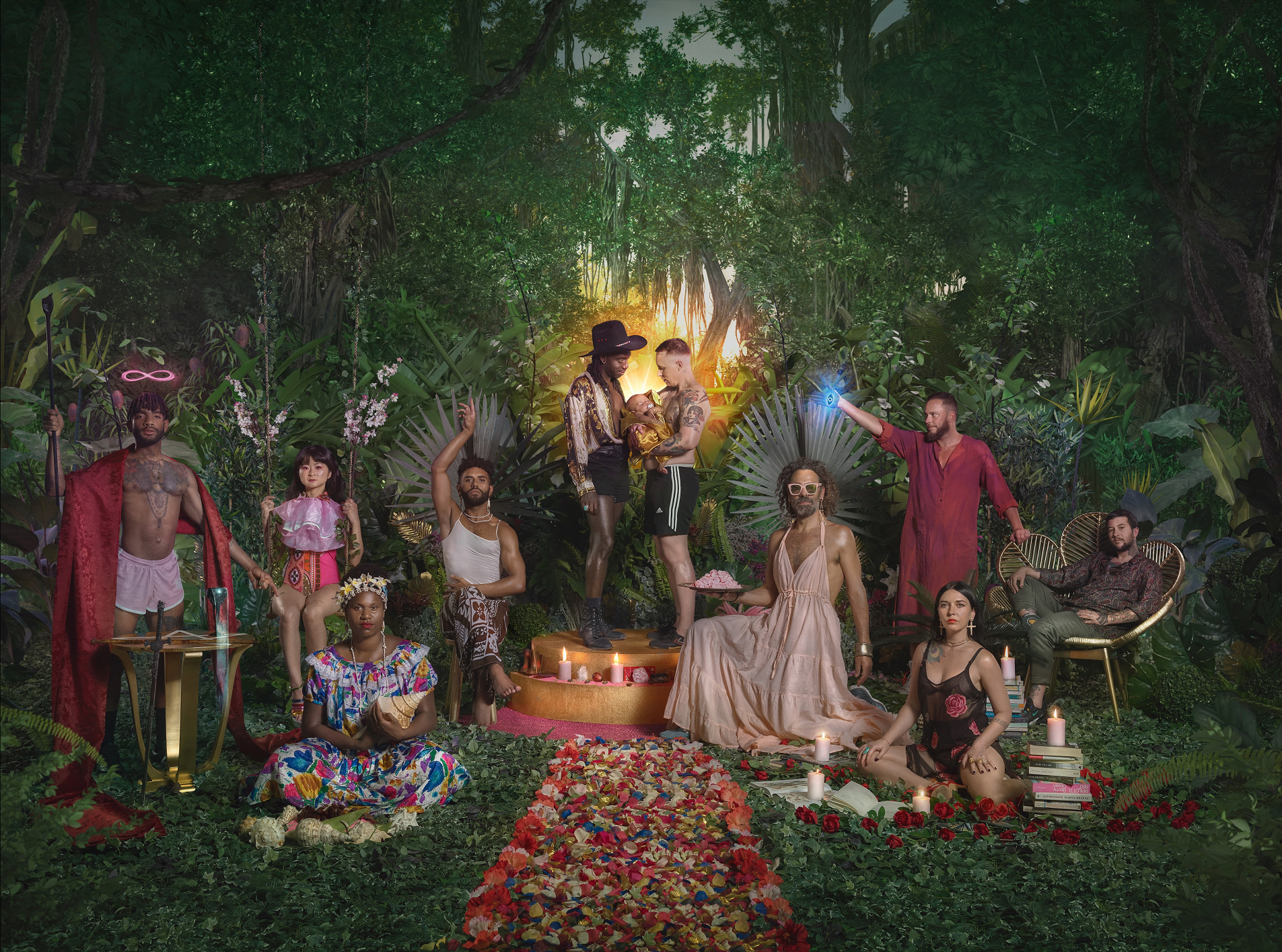
What counts as kinship? Can kinship be “queered”? How do queer lives challenge preconceived notions of kinship? Or how might kinship itself be unstable, fugitive, “queer”? This course introduces students to queer theory through the framework of kinship, with particular attention given to the ways kinship is shaped by race, class, gender, sexuality, and the state. We will explore queer theory’s complicated relationship to academic fields such anthropology, historiography, and sociology, insofar as they produce and reinforce the primacy of blood-relations, or the sanctity of the nuclear family. To practice using theory as a method of interpretation, and in order to explore how literature, film, and visual culture challenge normative kinship or construct new affinities across time and space, theoretical readings will be paired with creative works. The course is designed for students with no prior background in queer theory.
- المعلم: Indie Halstead
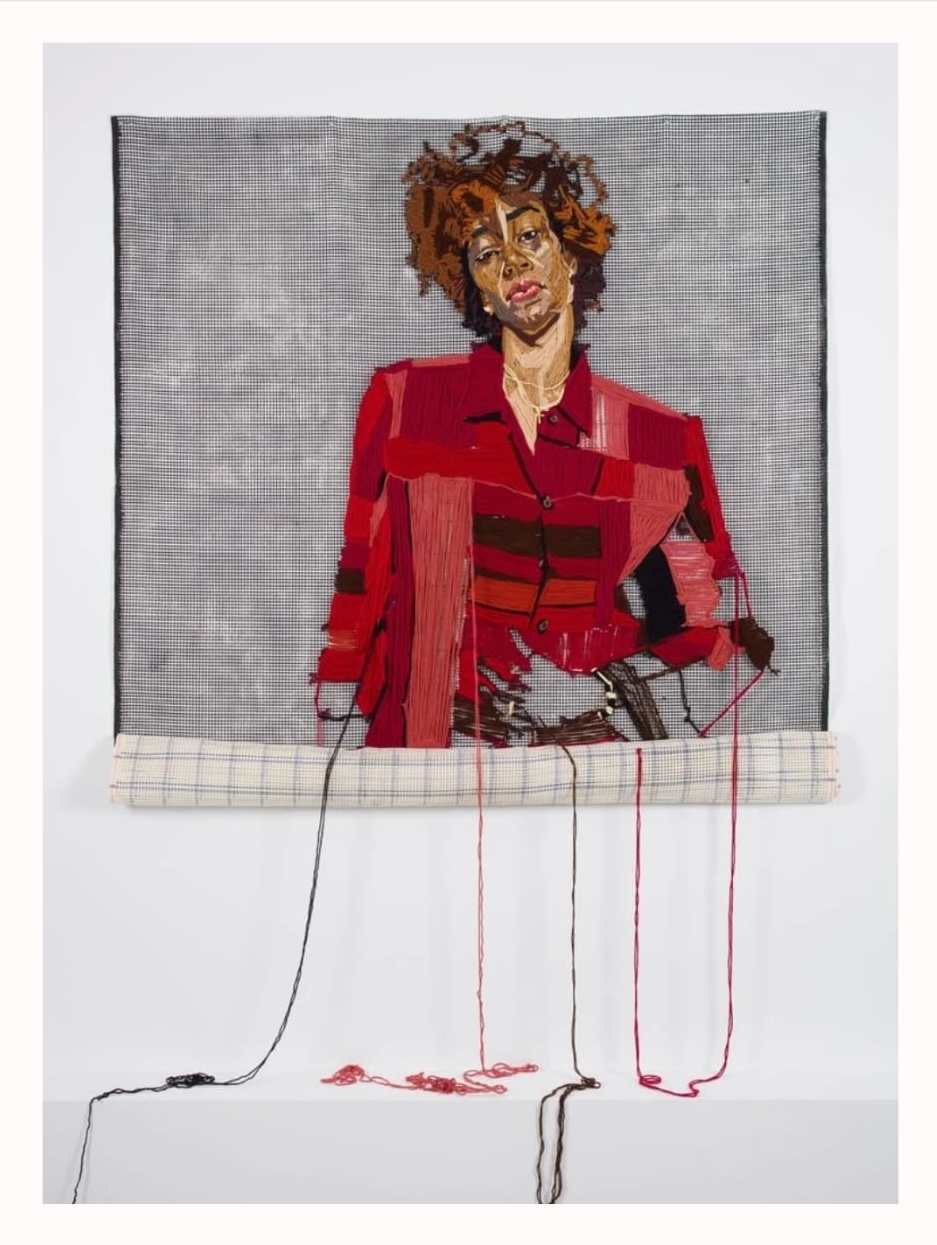
This advanced seminar examines feminist theory as a dynamic and contested field of inquiry. Feminist theory does not comprise a settled canon; rather it represents an ongoing dialectic about power, embodiment, knowledge, and liberation. Rather than surveying schools or “kinds” of feminism in sequence, the course is organized around the central questions feminist theory takes up—about its own subject, about work, race, colonialism, normativity, the state, and technology. Each week stages several thinkers in relation to one another so that we can learn how to map debates and conversations, trace where arguments emerge and diverge, and locate our own positions within the conversations. The course should help us move beyond “wave” narratives and instead trace how feminist theory has been shaped, challenged, and reconsidered by Black feminist, queer of color, trans, and decolonial interventions. These perspectives recur across the term rather than as separate units so that we can explore how feminist theories challenge racism, capitalism, colonialism, cisnormativity, state violence, and technology.
- المعلم: Thelathia "Nikki" Young