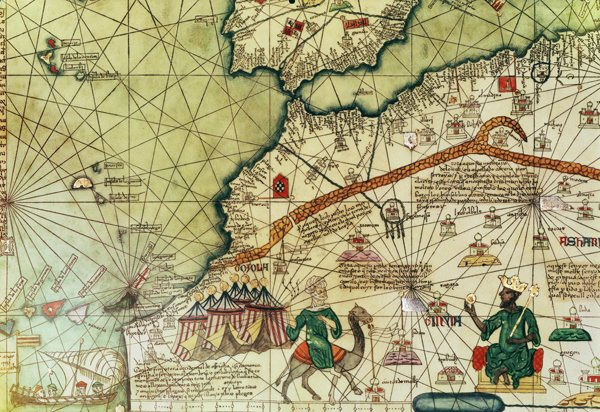
This course analyzes the complex histories, shifting geographies, and unequal relationships of power denoted by the term “Global South,” a designation that maps unevenly onto the formerly colonized regions of Africa, Asia and Latin America. As we shall see, the term is also used to describe marginalized populations and places within the “Global North,” a convenient though not entirely accurate label for today’s relatively rich and developed world regions. A basic concern of the course will be to analyze the origins, relevance, and strengths and limitations of the concept of the “Global South.” To do so we must assess how centuries of colonialism and its legacies have influenced our contemporary world. Our collective goal will be to develop new ways of thinking about our pasts, presents and futures, while respectfully engaging, discussing and debating a range of at times controversial topics.
History 114 will be taught in a seminar style emphasizing discussion and participatory “co-learning” through dialogue, analysis and writing. The instructor firmly believes that sharing our various perspectives, thoughts and insights is a responsibility that comes with the privilege of a Haverford College education. We shall take a broadly “historiographical” approach, asking big questions and critiquing the different methodologies historians have employed to answer them. Reading materials will range chronologically from antiquity into the present, focusing on topics such as the emergence of states and the formation of empires; trade and technology transfers; many types of cultural exchanges, including the emergence, spread and redefinition of world religious traditions; ethnic “othering” and racism as defined and redefined over time and in different contexts; and enduring realities of violence, militarism, war, and struggles for peace. In the instructor’s view, history is best understood as a discipline of rigorous contextualization, a practice that can lead to better dialogues, more informed arguments, and new understandings. If we work hard enough, we might even find solutions for enduring problems!
This seminar will be a “hands on” experience introducing you to the study of history at the college level. In addition to reading innovative historical scholarship produced by specialists, we will work with primary sources that ask you to be the historian. These include written documents (in translation) from the eras under consideration as well as visual sources including art, architecture, photography and film. The instructor believes that history is most interesting when taught as a craft involving original research, innovative analysis and creative writing. Assignments for History 114 have been designed to develop these skills, which are especially necessary for those thinking about becoming History Majors at Haverford College!
- المعلم: James Krippner
- المعلم: Ruodi Duan
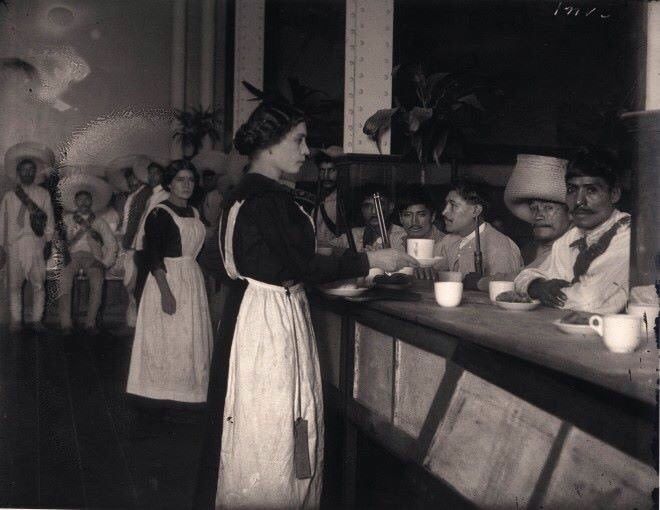
This research-oriented seminar provides an introduction to Mexican cultural history from antiquity through the present. It is designed to assist you in developing your research, writing and oral communication skills while participating in a supportive but challenging scholarly environment. As we shall see, authentic intellectual labor is hard and at times lonely work, though it can also be collaborative, stimulating, and fulfilling. The instructor spent over three decades thinking, researching, writing and teaching about sixteenth, eighteenth and twentieth century Mexican history. In this class, I hope to share what I learned through this experience about Mexico, the United States, and perhaps even life itself. The ultimate goal of the seminar is to encourage students to develop new understandings of the past while thinking about a better future. We shall also learn about historical research and have some fun.
- المعلم: James Krippner
- المعلم: Darin Hayton