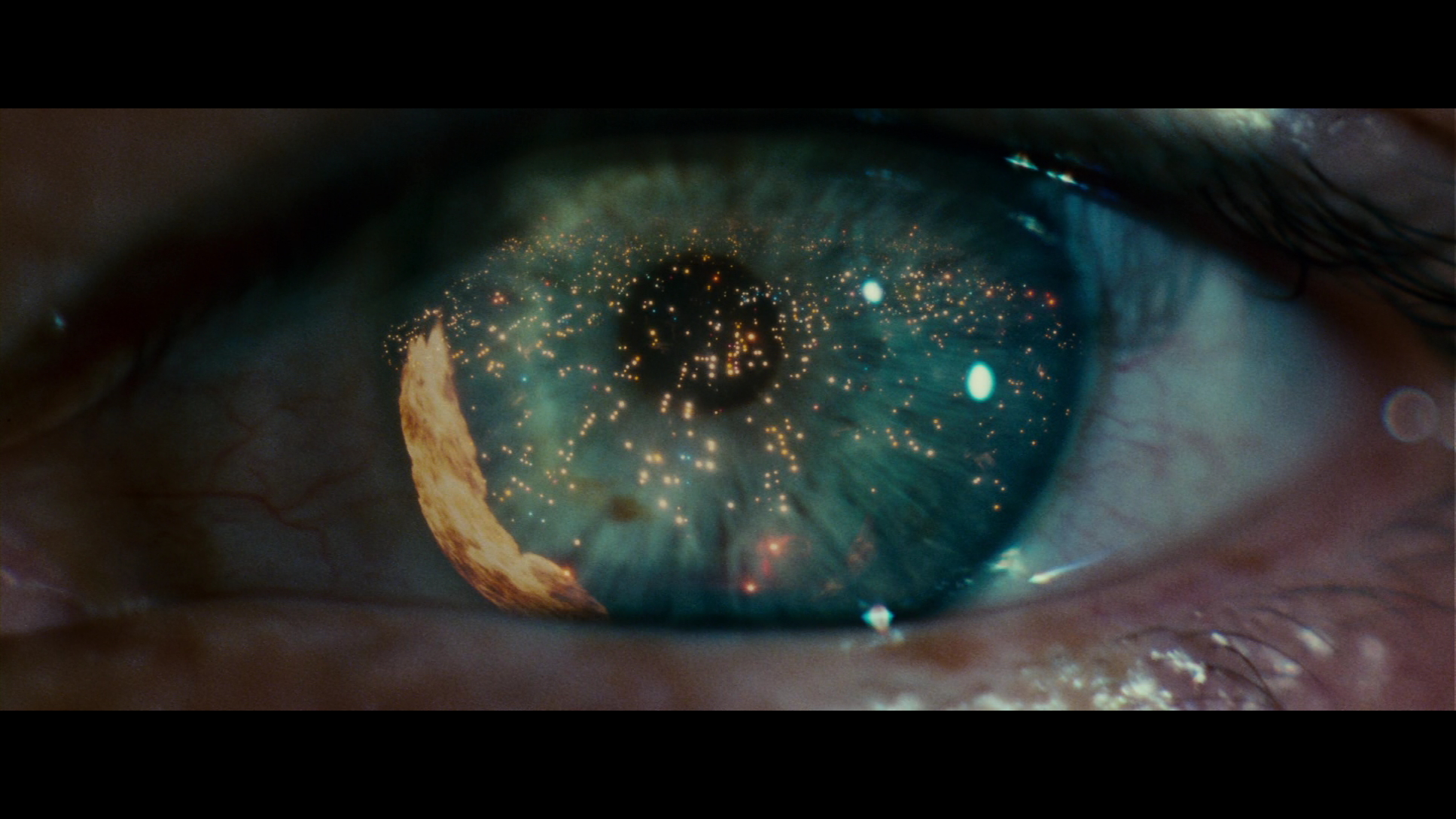
Close your eyes and think of artificial intelligence. What do you see? Maybe a world-destroying robot, hellbent on extinguishing humanity? A hyper-intelligent personal assistant? An intimate companion who always has your back? Or do you picture the banal office software that helps you compose e-mails, write and research essays, vibe-check texts, or generate slop memes for the group chat?
This course will examine how our cultural imagination of artificial beings and superintelligent computers shapes—and is shaped by—the actual emerging technologies that we call “artificial intelligence,” from chatbots, image generators, to the machine-learning systems that curate our feeds and, occasionally, drive our cars. What even is “artificial intelligence” in the first place? Do Large Language Models, like ChatGPT, represent the apotheosis of reason and intelligence? Or is what we call “AI” more like an archive of culture—something less glamorous yet (perhaps) more interesting?
To help us ask these questions we will analyze narrative fiction, scholarly research essays, poems, films, and philosophical polemics. Using this material as a springboard, students will develop their critical perspectives through writing, considering how literature, art, and marketing influence our understanding of this technology. Along the way we will speculate on what AI means for us writers in a world in which to work often means to write. At the outset we will assume that writing is a form of thinking, and that writing well requires time, patience, curiosity, and determination.
- Trainer/in: James Draney