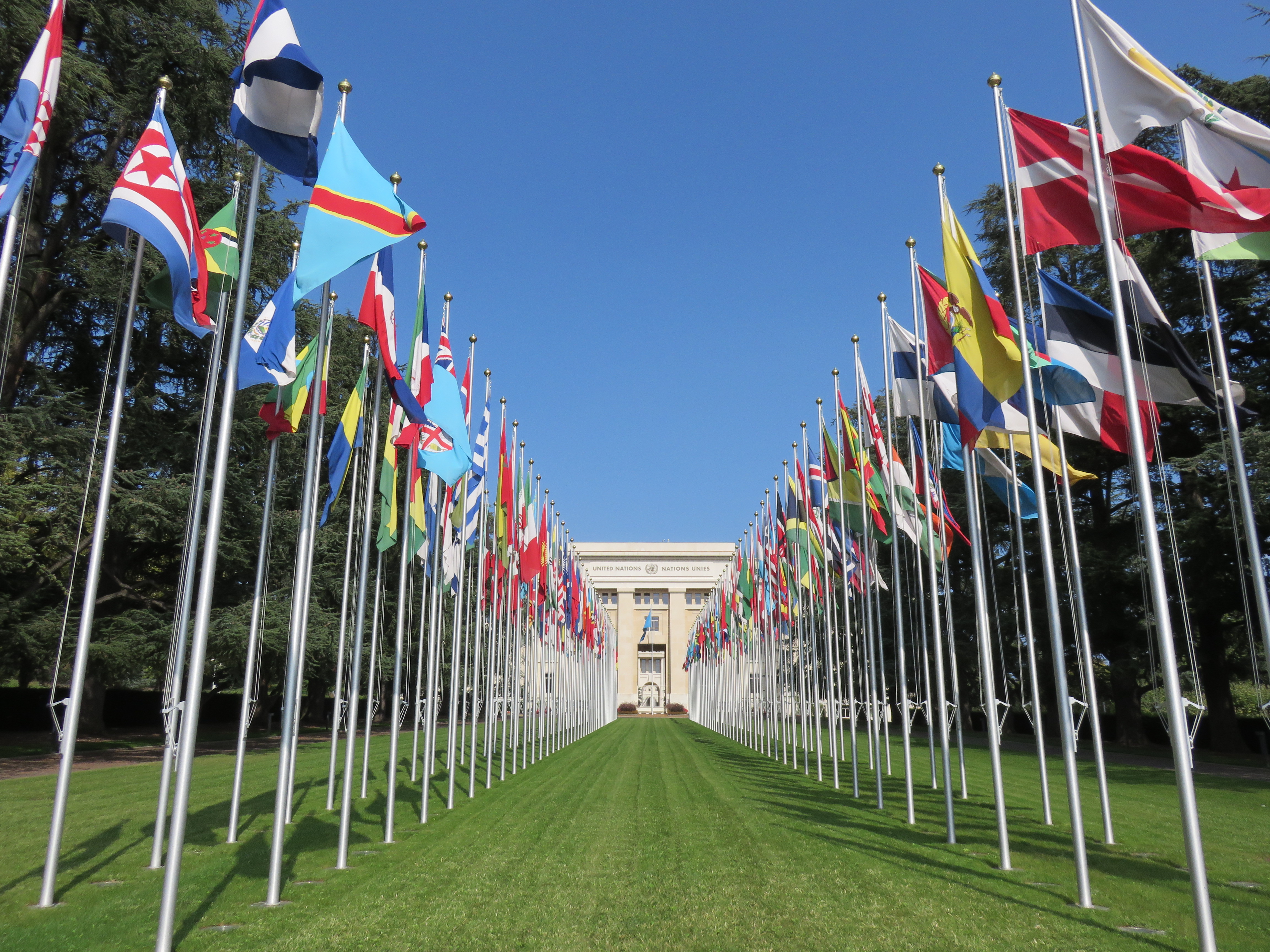
Why do some states punch above their weight in international politics while others struggle to be heard? Who really shapes foreign policy? And why do states facing similar international pressures pursue such different strategies? In an uncertain world characterized by intensifying U.S.-China competition, rising levels of conflict, and the climate crisis, making sense of how foreign policy is made has never been more important. This course introduces students to key approaches to foreign policy analysis and compares how states define and pursue their national interests across a range of issue areas, such as national security policy and climate policy. Students engage with a diverse range of case studies across regions, including East Asia, the Middle East, Europe, Africa, and Latin America. These cases highlight different foreign policy logics, strategies, and constraints, and allow for systematic comparison across countries and contexts.
- rhētor: Kathrin Reed