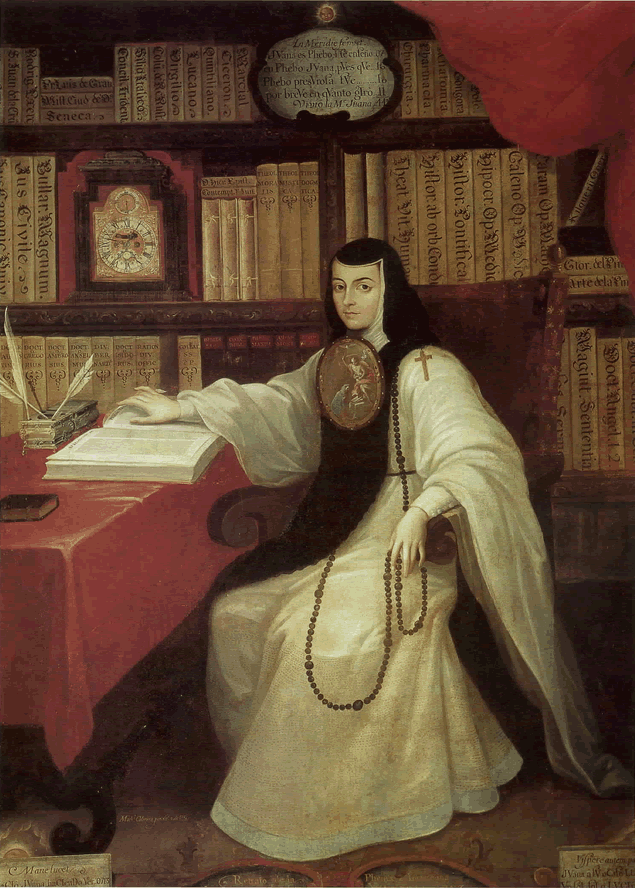
This course surveys over a thousand years of literary, cultural, and political history in the Iberian Peninsula. In the context of world history, course readings will span from the 5th century CE to 1700. While a focus of the course will be on Castilian (i.e. Spanish) writers, the Arabic and Hebrew writers that called the Iberian Peninsula home from 711CE to the sixteenth century as well as Gallego-Portuguese writers will also be discussed. These non-Castilian voices represent a linguistic, cultural, and religious diversity at odds with the commonplace notion of Spain as an exclusively Spanish-speaking, Catholic monarchy. The Castilian language and its literature originated at the shifting political and cultural frontiers between Christianity, Islam, and Judaism with Arabic and Hebrew being comparable to Latin in their contribution to the cultural history of the Iberian Peninsula. That is why this course will also serve as an introduction to comparative literature understood as the practice of reading and discussing literary texts outside of the confines of a nationalist tradition.
- מורה: Luis Rodriguez-Rincon