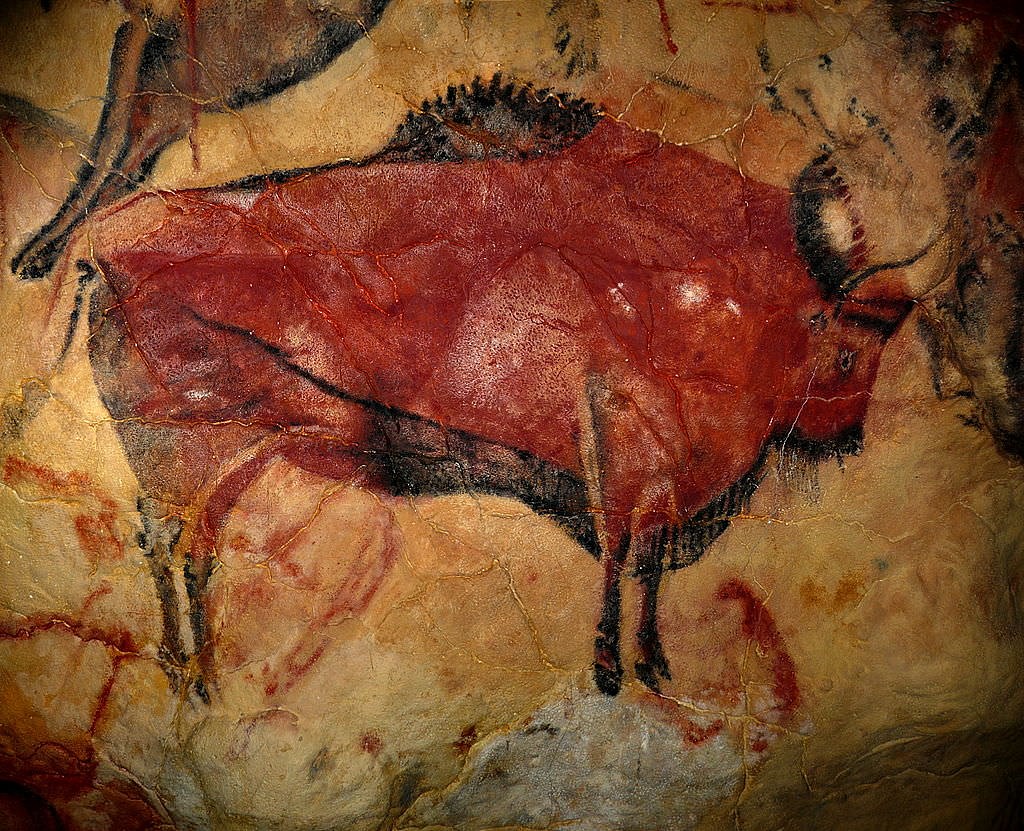
Humans are animals and yet most people consider animals to be something other than humans. This course sets out to understand from a specifically Iberian perspective how humans have come to define themselves in relation to animals and vice versa how animals have come to be defined in relation to humans. Animals have been ubiquitous to all aspects of human life in the Iberian Peninsula throughout its history. Without animals, human society and history in the Iberian Peninsula as we know it would be impossible. Some of the earliest evidence of human settlement in the Iberian Peninsula are cave paintings done over 30,000 years ago that depict a plethora of animals that cohabitated with early humans. Likewise, animals are found across the poetry and art of classical, medieval, and early modern Spain. While there is much to be said about animals in contemporary Spain, let alone Latin America, this course will take a historical perspective on understanding animals as living and literary beings with a special focus on the medieval and early modern periods and their classical antecedents. This course will also survey key theories and trends in contemporary Animal Studies which will help us to better assess literary and visual material on animals from the past. As a whole, this course proposes a revaluation of the literary techniques of personification with the belief that anthropomorphism and humanimals, the fictional product of humans seeing themselves through the reflective lens of animals, has a productive role to play in an age of human-induced mass extinction. Readings and discussion will be primarily in Spanish with some theoretical and comparative reading in English.
- מורה: Luis Rodriguez-Rincon